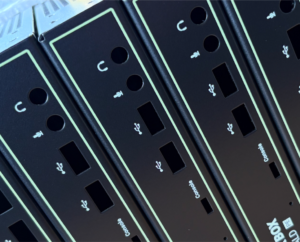
Screen Printing
Screenprint Services
Screen printing is a versatile and durable method of imprinting designs onto various surfaces, and its applications extend to a multitude of industries.
This technique involves pushing ink through a mesh stencil onto a substrate, creating vibrant and long-lasting prints.
Screen printing serves as a valuable tool for business aiming to enhance brand visibility and create personalized, visually appealing products.
Technical & Industrial Direct to Surface Screen Printing
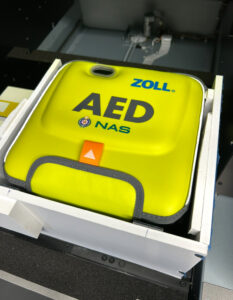
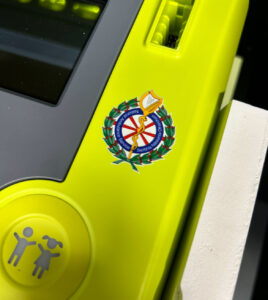
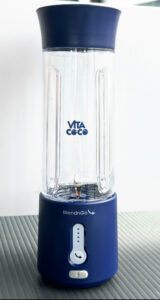
Screen printing onto objects involves using a mesh screen and special inks to apply images or designs onto metallic surfaces.
This process is known for producing durable, high-quality prints that are resistant to wear and tear, making it suitable for applications like industrial labels, signage, and branding elements.
Here's a more detailed look at screen printing on metal:
Materials
Metal Substrates
A wide range of metals can be screen printed, including steel, plastics, glass, stainless steel, aluminum, and powder-coated metals.
Specialized Inks
Metal-specific inks are formulated to adhere to the metal surface and withstand various conditions like wear, chemicals, and weather.
Mesh Screen
The screen acts as a stencil, allowing ink to pass through designated areas to create the image.
Squeegee
A tool used to force ink through the mesh screen and onto the metal substrate.
Applications
Industrial Labels and Signage
Screen printing is used to create durable labels and signs for various industries.
Branding Elements
Logo and branding elements are often applied to metal surfaces using screen printing.
Manufacturers' Plates
Screen printing is used to create labels and plates that identify products and manufacturers.
Advertising Items
Metal surfaces can be screen printed for various promotional and advertising applications.